Discover Your Rhythm,
Connect with Your Community
Different Drummers Drum Circle: Where everyone's beat matters.
Step into a world of shared rhythm and connection. At Different Drummers Drum Circle, we believe in the simple, powerful magic of coming together to make some noise. No experience needed, just a willingness to play and connect. Let's create something amazing, one beat at a time.
The Rhythm of Connection
We're all about bringing people together through the simple, powerful act of drumming. It's amazing how a shared beat can unlock creativity, reduce stress, and build a real sense of community. I started Different Drummers because I saw how much joy and connection could happen when folks just got together and played, no experience needed. Our goal is to create a welcoming space where everyone can find their rhythm and feel a sense of belonging.
Meet your Host:
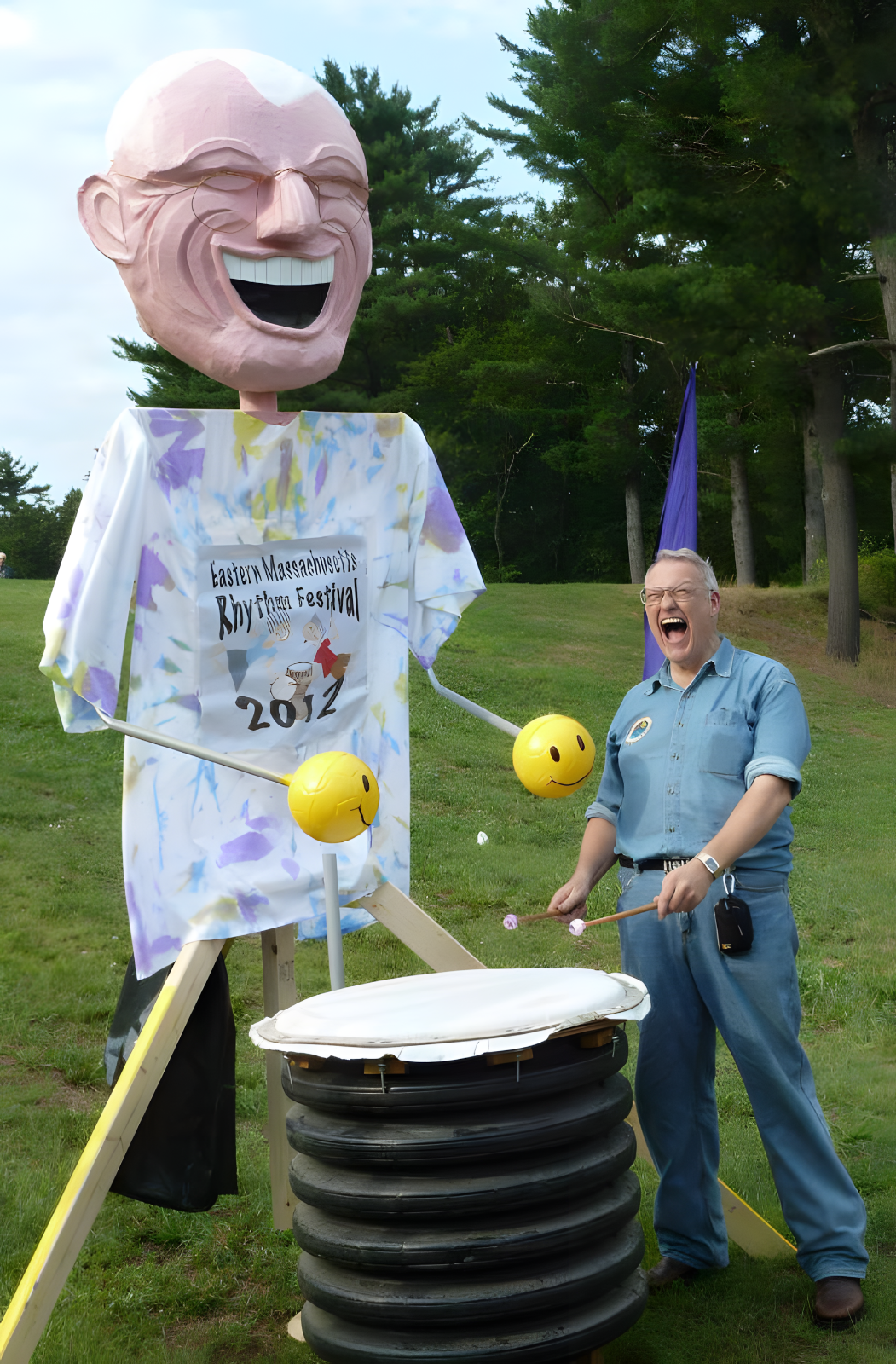
Rick Cormier has been hosting drum circles since the 1990s. First in Massachusetts, then in Maine, and now in Santa Fe. He is the author of the book, "Freestyle Community Drum Circles" and a co-founder of the Eastern Massachusetts Rhythm Festival.
Rick has drummed duets with two multi-Grammy Award drummers.
Inclusivity at the Core
Everyone's invited to the circle. We create a non-judgmental space where your unique rhythm is welcome, whether you're a seasoned drummer or have never touched a drum before. It's about participation and shared experience, not performance.
As Rick often tells beginners, "We're not auditioning for Santana.
Beyond Just Drumming
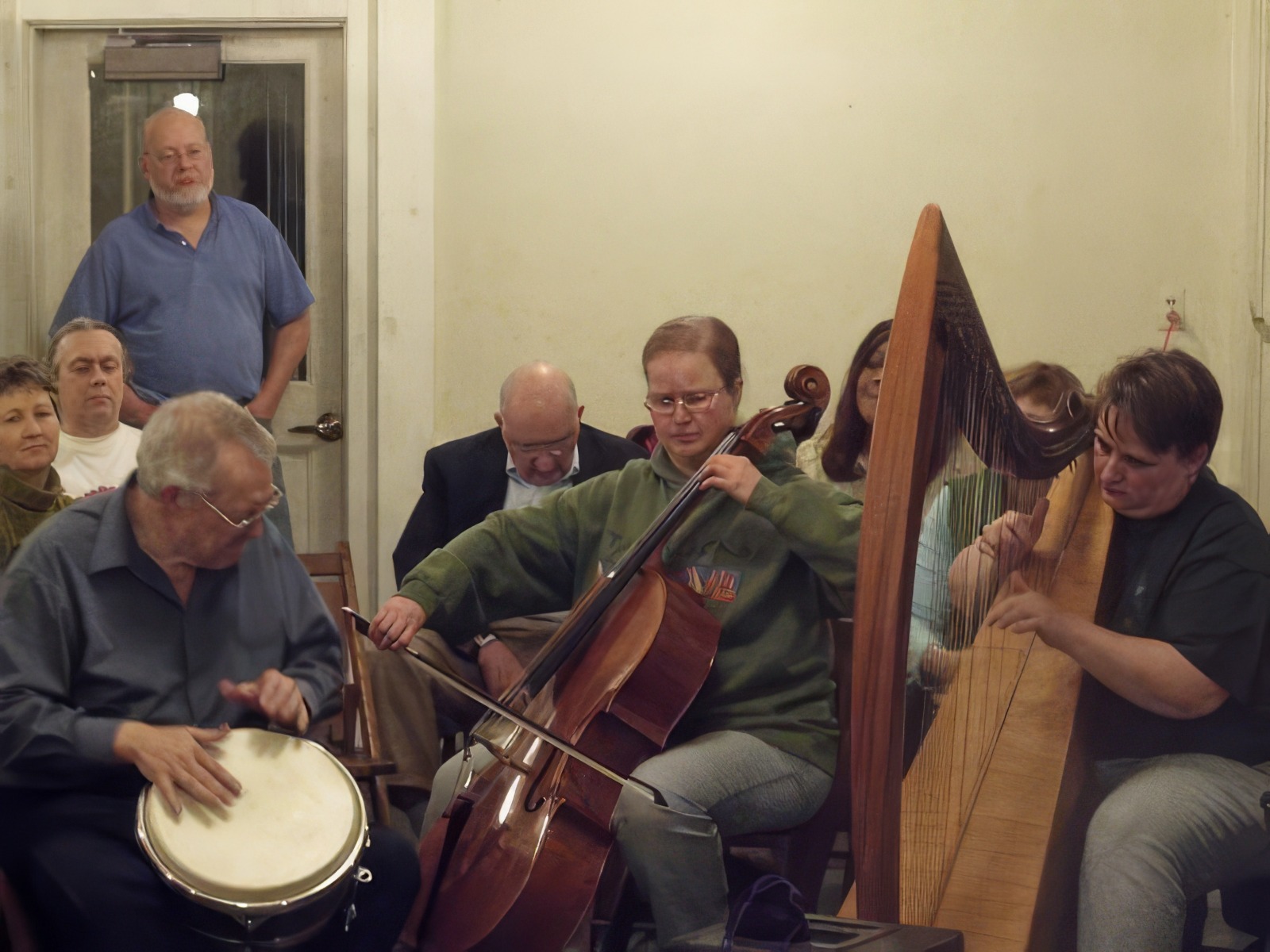
Our circles are designed for more than just making sound. They're opportunities for stress relief, enhanced communication, and a powerful way to express yourself. whether in a community setting, a corporate team, or a therapeutic group.
Some participants come for the sense of community, the social interaction. Some come because they find a spiritual connection, while some come for the fun.
Experience it Yourself
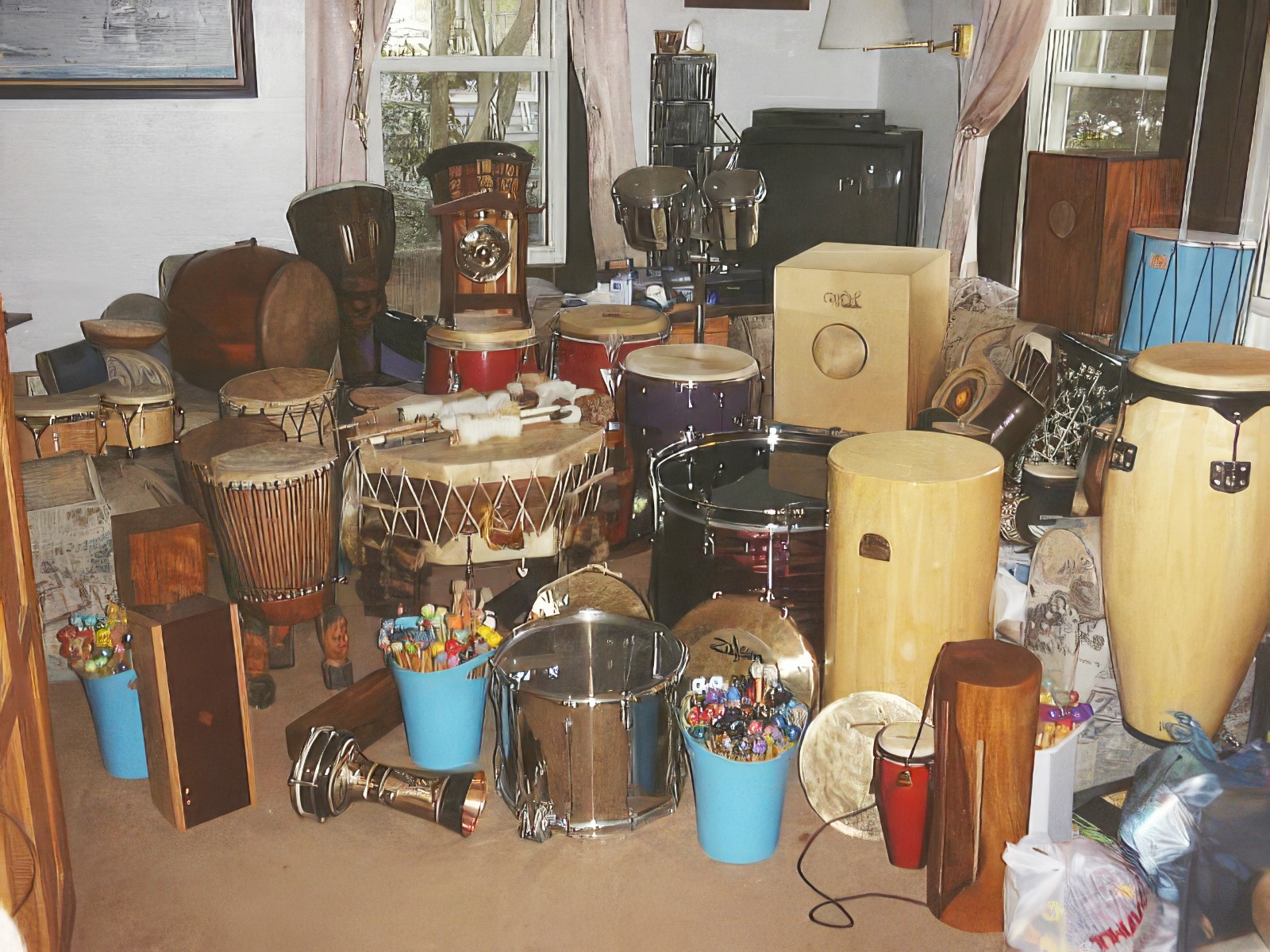
We believe the best way to understand the magic of a drum circle is to be in one. That's why we offer a 10-minute basic lesson for newcomers. There are always drums available for folks who don't own drums. Come feel the connection firsthand!
"I never thought I could drum, but Different Drummers made it so fun and easy. I felt so connected to everyone!"
Why people come to our drum circle...
“When the rhythm holds, I slip into a trance—the sound and movement settling deep within me. That’s the magic: a powerful spiritual connection.”
“The drum is like my heartbeat… like wind, thunder, and rain. I feel connected—to myself, to others. Magic happens.”
“It’s like a universal prayer… without words.”
“Age just slips away… and suddenly we’re all one—caught up in the rhythm together.”
“It’s not about performing. It’s just playing—pure fun, connection, and discovery.”
“The drumming washes over me like a vibrational massage… releasing everything I don’t need to carry.”
“Sometimes I come for the healing… sometimes for the people… sometimes just to hit something. It always gives me what I need.”
And Maybe the Real Reason…
People come for different reasons.
Connection.
Relaxation.
Joy.
Healing.
Curiosity.
And sometimes… they don’t even know why they came. They just know something about it feels right.
What You’ll Find Here...
No experience needed.
No pressure.
No performance.
No drum required
No charge for participation.
No membership requirement. Come when you like.
Just rhythm. Just people. Just showing up—and seeing what happens.
Our Intent
Someone posted an opinion on one of the online drum circle forums I belong to about how drum circle novices should take lessons in traditional African drumming before participating in drum circles and calling themselves "drummers". Here was my response:
"I think that this issue depends on the intention of the circle. If the purpose of the circle is to play great traditional African (or Middle Eastern or Latin, etc.) music, then by all means the drummers should be trained so that they know what they're doing.
On the other hand, if it's a freestyle community drum circle like mine, the intention is different. We drum to create an atmosphere of spirituality or healing or sociality or creativity or fun... whatever the participant comes to get. Most of our newbies drum quietly and don't disrupt the circle. They soon develop the ability to hear the improvised music and interact effectively with it. They learn by doing, by watching. They ask questions. They develop their sense of tempo. They learn to hold down the beat while more experienced drummers play lead. They learn to embellish effectively. They learn when to step into the foreground and when to recede into the background. They intuitively learn what's best for the music. All that's required of me is patience... and the relinquishing of control.
As recorded music first became accessible... people stopped singing in their homes and while they worked. People who sang for its own sake... for their own enjoyment... heard voices like Caruso's and became embarrassed at the sound of their own voices. I find that sad. That kind of thinking is ingrained in our culture. Our society makes it very clear to our children who should be playing music or sports and who should be drawing or dancing... We're here to achieve, not to enjoy.
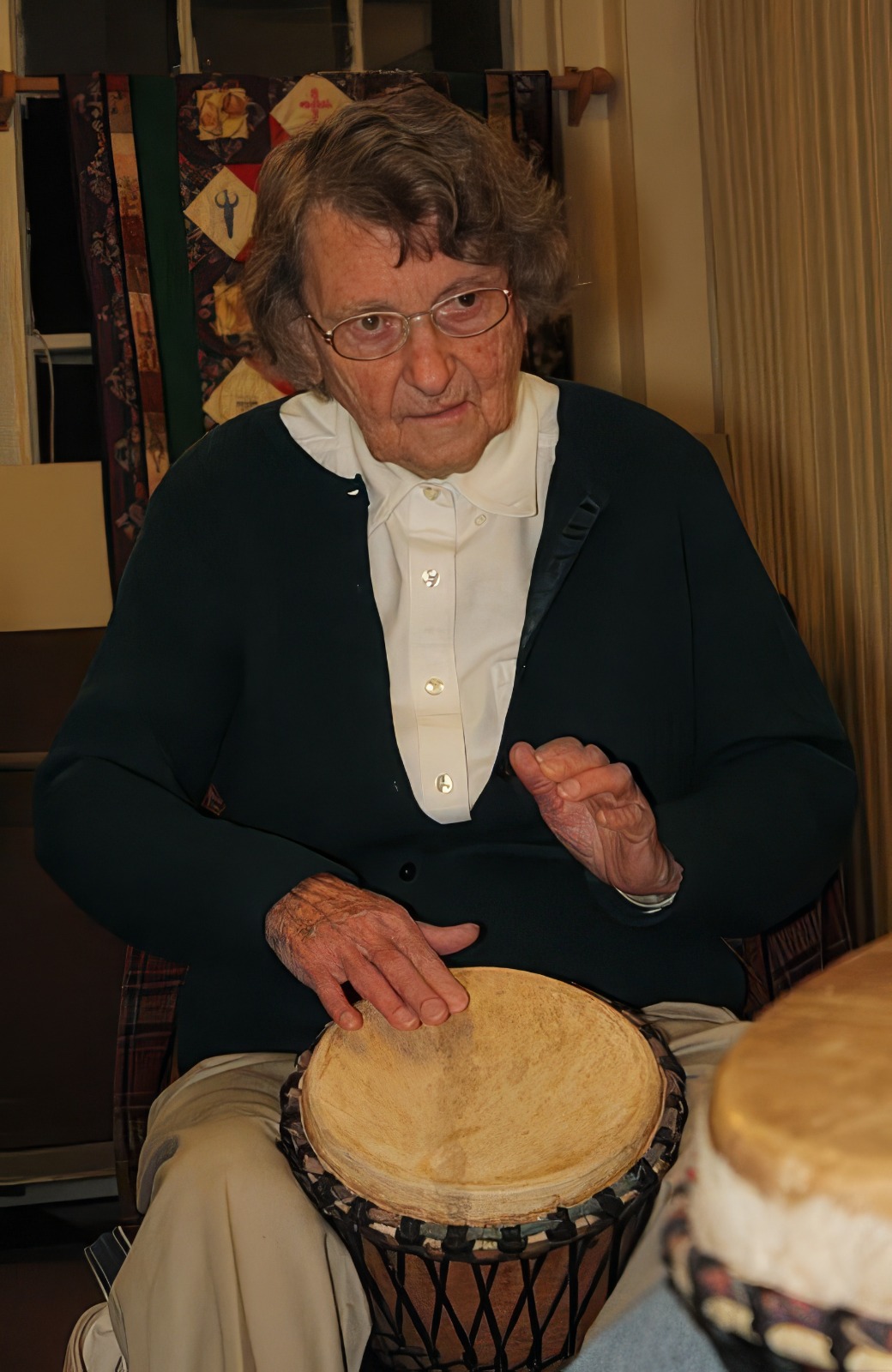
I wonder what the writer would have taught Ann, who began drumming with us at age 90... or Laura, who was born with Cerebral Palsy and Autism. Traditional African drumming? What should we tell our regulars who play conga, doumbek, cajon, or frame drums?
Creating a community where it is safe to express oneself without words... Where one can grow in so many ways, connect with others, learn, make mistakes, and laugh... building bridges between people instead of walls... That's our intent."
Rick Cormier
Drum For Your Lives!
Different Drummers Drum Circle
1st and 3rd Sundays of each month
1:30 to 3:30 PM
Unitarian Church of Santa Fe
107 Barcelona
Email: differentdrummers@gmail.com
Our Facebook Page:
https://www.facebook.com/groups/325905628182/
Rick's Website:
rickcormier.com